Hannah needed £600. Her car had packed in, and the new job — the one she’d waited months for — started on Monday. No car, no way of getting across Sheffield to the depot. That simple.
She’d borrowed once before. Got accepted, all fine, but her credit score had slipped a little afterwards, and it had nagged at her ever since.
So now she was stuck between two bad options. Apply again and risk knocking the score down further? Or sit tight and watch the job slip away?
Her sister put her onto something she’d never heard of. You can find out whether a lender is likely to say yes before you formally apply — and it doesn’t touch your score one bit.
That’s a soft credit check. And once it clicks, borrowing stops feeling like a coin toss.
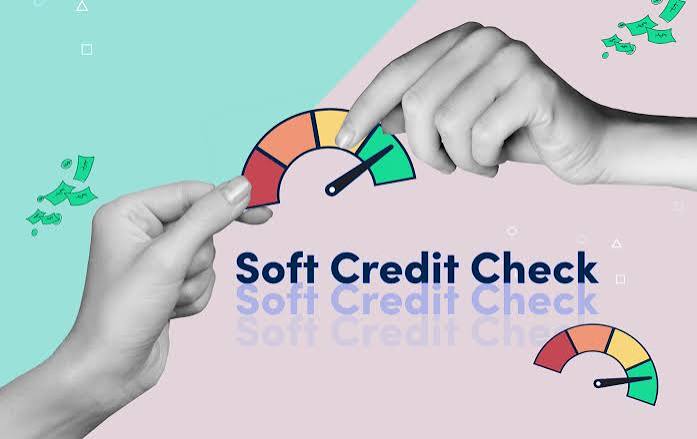
So what is a soft credit check?
It’s a light look at your credit file. Sometimes people call it a soft search, or a “quotation search” if they want to sound formal about it.
Lenders and eligibility tools use it to get a feel for you before any proper decision gets made. The important part is what it doesn’t do — and that’s leave a mark.
● You’ll see soft searches when you look at your own report.
● Other lenders, by and large, won’t — and they don’t weigh them up when you apply.
● Run one once or run it twenty times, your score stays exactly where it is.
If you are also looking for loans with soft credit check, then look for lenders who offer the same.
Soft search or hard search? This is the bit people miss
Here’s where folk trip up, so let’s be plain about it.
A soft search sits quietly in the background. It won’t move your score, other lenders can’t see it, and you can do it as often as you fancy. All it’s really doing is showing you what you’d probably qualify for.
A hard search is a different animal:
● It leaves a footprint that other lenders can see
● It nudges your score down a touch, for a while
● And it happens the moment you actually apply for something
One hard search here and there? Totally normal, nobody’s worried about that. The trouble starts when you rack up several in a short stretch; to a lender’s eye, that can look like someone scrambling for credit, even when you’re only comparing deals.
Which is exactly what a soft check spares you from.
What’s going on behind the curtain?
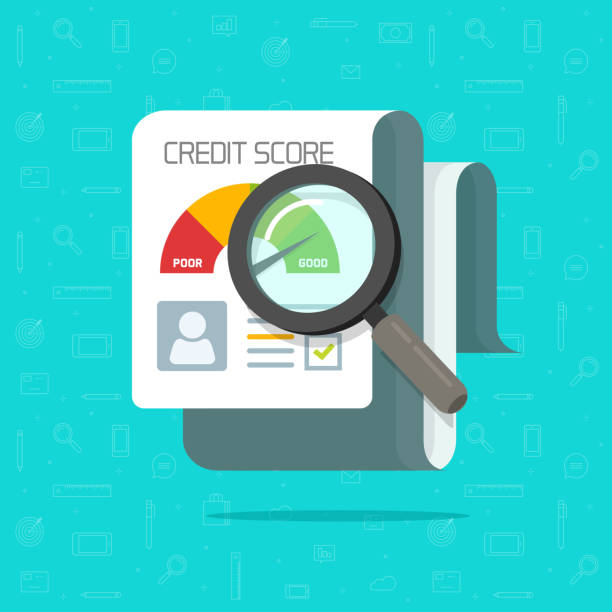
When you run the eligibility checker at Cashfacts, a soft search quietly pings the data held by the three big UK credit reference agencies like Experian, Equifax and TransUnion.
Strip away the jargon and it’s asking one thing: going by what we can see here, how likely is this person to get a yes?
The sort of stuff it weighs up:
● how you’ve handled borrowing and repayments before
● how much credit you’re already juggling
● whether the details you’ve given line up with what’s on file
● the broad picture of how steady your finances look
Out comes a likelihood. Not a promise — a steer. And not a single hard footprint to show for it.
Why does any of this matter to you?
It’d be easy to file this under “technical detail” and move on. Don’t. For ordinary people borrowing ordinary amounts, it changes everything about how the whole thing feels.
Your score stays protected, for one. You get to poke around your options without the slow erosion that comes from applying again and again and again.
You also waste far fewer applications. Rather than firing off a form and crossing your fingers, you’ve already got a fair idea where you stand. Fewer knockbacks. A lot less stomach-churning.
And it lets you compare like for like, honestly, instead of guessing in the dark.
There’s a quieter benefit too. If you’ve been turned down before — and loads of people have — a soft check is a gentle, no-risk way to start trusting yourself with money again. For someone like Hannah, that was the whole point. She wasn’t being reckless. She just didn’t want to dig a deeper hole.
What won’t a soft check do for you?
I’d rather be straight with you than oversell this, so here’s the flip side.
A soft check, and a nice green eligibility result, are not the same thing as approval. Don’t let anyone tell you otherwise.
● A good result means you’re likely to be accepted. Likelihood isn’t certainty.
● A full check still happens before you get the money, affordability and all that.
● The lender can still come back with a no, even after a promising eligibility result.
It’s a bit like a weather forecast. “High chance of sun” is good news, and you’ll plan around it — but you’d still glance at the sky before leaving the house.
Getting the most out of an eligibility checker
A few small habits go a long way here:
● Pull your own credit report first. It’s free with the main agencies, and you’d be surprised how often there’s a small error sitting there dragging you down. Consider a loan eligibility checker to get access to your credit performance. It will be the best thing to take into account and get the maximum advantages.
● Put in honest numbers. The result is only ever as good as what you feed it.
● And borrow what you can actually pay back — not the biggest figure a tool waves in front of you.
Use the breathing space it gives you to shop around properly, rather than grabbing the first thing that says yes. None of this is rocket science. It’s just borrowing with your eyes open.
How did it work out for Hannah?
She ran the check late that night, half braced for bad news. Came back positive — a strong likelihood of a yes.
The next morning she applied for real; the money came through, and she rolled up to her first shift with a working car and a good deal less weighing on her mind.
No guessing. No needless dent in her credit file. Just a straight answer at the moment she needed one most.
That, in a nutshell, is what soft credit checks are for.
Frequently asked questions (FAQs)
Does a soft credit check affect my credit score?
No, it doesn’t. You could run one every day for a month, and your score wouldn’t budge.
Can lenders see my soft searches?
Only you can. They show up on your own report, but other lenders generally can’t see them and don’t factor them into their decisions.
How many times can I use a loan eligibility checker?
As many as you like. Soft checks don’t pile up against you, so there’s nothing to lose by checking more than once.
If the eligibility check looks good, am I definitely getting the loan?
Not definitely, no. A good result means you’re likely to be accepted — but a full affordability and credit assessment still has the final word.
How long do soft searches hang around on my file?
Usually about 12 months. Worth repeating, though: only you can see them, and they don’t sway any lending decisions.
Can I still check my eligibility with poor credit?
Absolutely — and honestly, that’s when it’s most useful. You get to see your realistic options without risking any more damage to a score that’s already had a rough time.
Borrowing shouldn’t feel like stepping off a kerb with your eyes shut. A soft check hands you the information before you commit, and that’s the thing that actually helps people borrow sensibly.
And if money’s genuinely tight, or you’re not sure you should be taking on credit at all, there’s free, impartial help out there, like MoneyHelper, Citizens Advice and StepChange; they are all good places to start. No shame in it. Plenty of careful, sensible people ask.

Jessica Rodz is the Senior Content Writer at Cashfacts. She has a long career in the field of content writing and editing. Jessica has the expertise in the UK lending marketplace where she has worked with 7 different lending organisations and acquired many responsibilities from preparing loan deals and writing blogs for their websites.
At Cashfacts, Jessica is managing a team of experienced loan experts and doing a major contribution in guiding the loan seekers via well-researched blogs. She has done graduation in Business (Finance) and now currently doing research papers on the UK financial sector.