
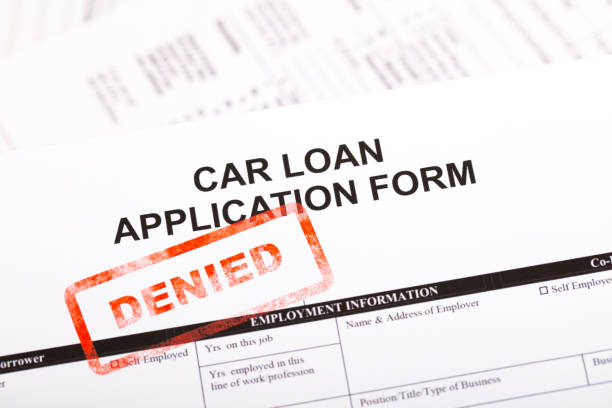
Your car finance application was most likely rejected because of a low credit score, missed payments sitting on your file, income the lender could not properly verify, or a small mistake on the form itself. That is really it in most cases. One weak spot is enough, and UK lenders decline far more applications than people assume.
Frustrating, yes. Finally, no. Every lender measures risk in its own way, and drivers who hear no from one provider often hear yes from another a few weeks later. Quite a few skip the middlemen next time and go to a bad credit car finance provider in the UK. Consult a direct lender to get a faster response on such loan deals, because when you deal with the actual lender, you tend to get clearer criteria. And, importantly, a straight answer about what went wrong.
So what exactly went wrong with yours? Let us work through the possibilities.
The Main Reasons Lenders Decline Car Finance
1. Your Credit Score Is Low, or There Is Barely Any History
Start here, because this is the reason in the majority of cases. A poor score tells a lender you have struggled with repayments before. A thin file is the opposite problem with the same outcome, since the lender has nothing at all to judge you on.
What usually drags a profile down? Late payments on cards or loans, sometimes even a mobile contract that slipped your mind. Defaults and county court judgements, obviously. Cards sitting near their limit month after month do damage too, and so does having almost no borrowing history, which catches out young drivers and people new to the UK all the time.
2. The Repayments Look Unaffordable
Lenders answer to the concerned authority on responsible lending. They cannot approve a deal that squeezes your budget, even if you personally feel sure you would cope.
Affordability checks trip up applicants whose income moves around a lot or is hard to prove on paper, which hits the self-employed hardest. They also fail when existing debts already swallow a big slice of the salary. And sometimes the honest answer is that the car chosen was just too expensive for the in-house-employed
3. Something on the Form Did Not Match
Automated systems compare your form against your credit file line by line. A typo in the postcode. An old surname. A salary figure your payslips do not back up. Any one of those can kill the application before a human being ever glances at it.
So before you submit anything, check your name against your official documents, make sure all three years of address history are there, and confirm the employment and bank details are exact. Boring work, but it saves a lot of grief.
4. You Are Not on the Electoral Roll
Sounds trivial. It is not. The roll is how lenders confirm you actually live where you claim to, and some will decline an unregistered applicant no matter how decent the score looks. Registering costs nothing and shows on your file within a few weeks, so there is no excuse to skip it.
5. Too Many Applications in a Short Space of Time
Every full application leaves a hard search behind it. One or two, fine. Five inside a month? Now you look desperate for credit, and lenders read desperation as risk. Until you find a likely yes, stick to eligibility checkers that run soft searches only.
What Lenders Are Actually Weighing Up?
Every provider mixes its own formula, though the ingredients rarely change much. Credit history first, meaning how you handled borrowing in the past. Then affordability, which is whatever remains after rent, bills, and existing debts. Stability counts as well, so time at your address and time in your job both matter. And finally the deposit: the more of the price you cover upfront, the less the lender risks.
Keep one thing in mind here. A high street bank might reject a profile that a specialist approves the very same day. One decline tells you about one lender’s appetite and nothing more than that.
Rejected? Do This Next
1. Find Out Why?
Ask the lender directly. You will not always get chapter and verse, but when the decision came from your credit file, they have to tell you which credit reference agency supplied it. That alone points you to the problem.
2. Pull Your Credit Reports
All three agencies, Experian, Equifax, and TransUnion, do not hold identical data. You are hunting for accounts you never opened, missed payment markers that should not be there, financial links to an ex-partner, or an old address still listed as current. Mistakes like these turn up more often than you would think, and disputing them costs nothing.
3. Spend a Few Months Strengthening Your File
No magic here, just steady habits. Pay everything on time, utilities included. Pull card balances under 30 per cent of their limits. Get on the electoral roll. Leave new credit alone for a while. Grow the deposit if you possibly can. Give it three to six months of that, and the change on your file is visible.
4. Try a Specialist Instead of a High Street Name
Banks lean heavily on automated scoring. Specialists tend to look at where you stand today rather than where you were three years back. It is exactly why applicants who were declined elsewhere manage to land car finance with a low credit score.
Look for direct lender deals for an assured response, with considerations that let you land with a viable lender. These providers weigh real affordability instead of letting software say no in two seconds flat. Going direct also strips out middleman fees and shortens the wait.
5. Adjust the Deal Itself
Sometimes the application was fine, and the numbers were the issue. A cheaper car helps. So does a slightly longer term, a fatter deposit, or a guarantor willing to stand behind you. Any one of those can flip a no into a yes.
Final Thoughts!
Nobody enjoys hearing no, but a rejection is information, not a verdict. Somewhere in your file or your figures, a lender spotted risk. Find it, fix it, give it a little time, and then apply where your profile genuinely fits. Drivers with far messier credit than yours get approved in the UK every single day.
FAQs
- Does a rejection damage my credit score?
The rejection itself never shows on your file. The hard search behind it does. One search barely registers, though a cluster of them close together will drag your score down noticeably.
- How long should I wait before applying again?
A few weeks at the very least. Better still, use the gap to fix whatever caused the decline, then run soft search checks so your next full application lands where approval is actually likely.
- Can I get car finance with no credit history?
You can, though the lender will probably want a bigger deposit or a guarantor to feel comfortable. Running a credit builder card lightly for six months or so also gives them something real to look at.
- Does a guarantor mean guaranteed approval?
Afraid not. It improves the odds of a good deal, because the lender has a second person to fall back on, yet every application still goes through the full set of checks.
- Is applying directly better than using a broker?
For a straightforward application, direct usually wins. Faster decisions, no broker fees, one point of contact. A broker earns their keep mainly when you want lots of options compared at once.

Jessica Rodz is the Senior Content Writer at Cashfacts. She has a long career in the field of content writing and editing. Jessica has the expertise in the UK lending marketplace where she has worked with 7 different lending organisations and acquired many responsibilities from preparing loan deals and writing blogs for their websites.
At Cashfacts, Jessica is managing a team of experienced loan experts and doing a major contribution in guiding the loan seekers via well-researched blogs. She has done graduation in Business (Finance) and now currently doing research papers on the UK financial sector.